
SPIDER HYDRAULICS
- kradiganscience24
- Apr 10, 2024
- 2 min read
TAVISHI First, I'd like to formally apologize, but in the next few weeks, our post frequency will be decreasing because of AP exams on the horizon. This summer, however, I will be posting every thought popping into my head. But now, let's jump into spider hydraulics! I can never visualize properly how open circulatory systems work. And when I do, I cringe a little inside.
I like my fluids all nice and contained in their respective blood vessels. Diffuse if you must, but do so with capillaries. Open circulatory systems are a mess. Can't stand it. However, in spiders and other arachnids, this horrific mess is pretty useful, and the system of hydraulics created by the hemolymph allows for movement. The change in pressure of hemolymph in spiders allows, in tandem with their muscles, for the black widow spider to skitter across your bedroom floor. Before I start using too much terminology, let's take a second to go over basic spider anatomy.
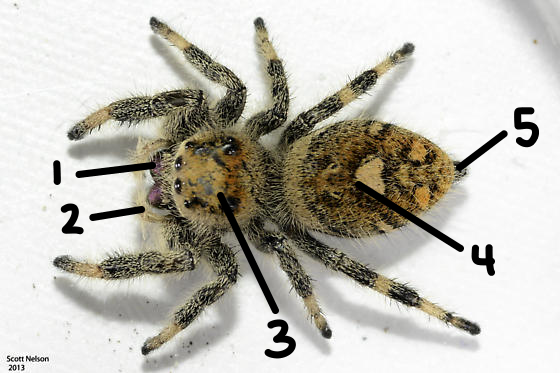
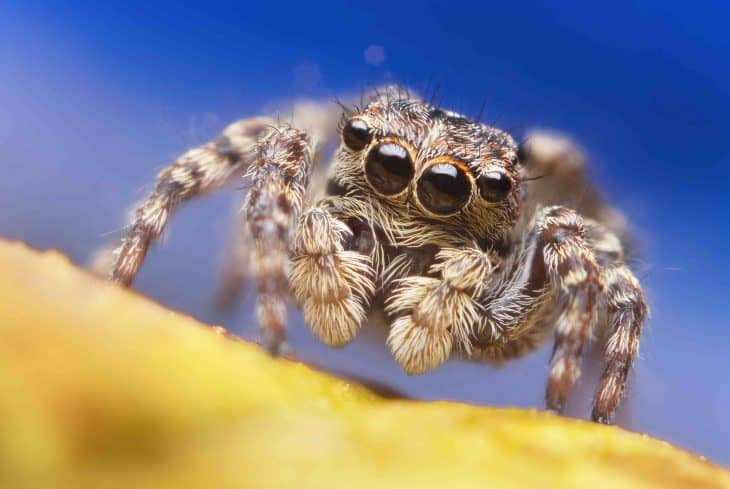
1 is the chelicerae, which are muscle and venom filled organs which function as pincers. 2 labels the pedipalps (very fun word to say) which have a variety of functions including sensation, web stuff, and in some cases, reproduction. 3 labels the cephalothorax, and 4 the abdomen. 5 are the spinnerets. Now, just because spiders use hydraulics doesn't mean they don't have muscles. Bringing of legs inward uses muscles, whereas pushing outwards uses an influx of hemolymph. When spiders walk, they increase pressure in the hemolymph, forcing the fluid into the legs. By continually increasing and decreasing pressure of the hemolymph in the cephalothorax, the spider is able to skitter about! Think for a minute how much pressure must be modulated and how fast it must be for that to power a spider's walking: this is truly one of the most fascinating parts of spider hydraulics. The modulation of pressure occurs by the contraction of the sinuses of the spider's book lungs. This hydraulic pressure system also allows for the characteristic jumping of spiders- especially in jumping spiders!


Comments