
OTTER PATHOLOGY
Tavishi
I need to live by the beach.
When I say this, a lot of people think I want to go somewhere warm and tropical. I think the warmest beach I could live near might be California. No, I need the doom and gloom of the UK, or Alaska, or the PNW.
I have been thinking more about where I'd like to live when I'm older. Perhaps I am growing up. The future seems more and more real. Is this aging?

I would love to live in Alaska one day, primarily for the pinnipeds, but also for the other wildlife, including Northern sea otters. I love sea otters, and otters in general. Shoutout to Asian small-clawed otter Indigo at Ark Wildlife Park!

My "friend" (jk this is ragebait) Tristan sent me a video of someone finding an otter skeleton while tidepooling and I have been thinking loads about sea otters. Sea otters end up with purple bones because of echinochrome in their diet from copious amounts of sea urchins!

Shout out to Tristan for sponsoring this post!

TOXOPLASMOSIS
Otters have a lot of parasites, including one of my personal favorites: Toxoplasma gondii. T. gondii is a type of protozoan parasite which undergoes sexual reproduction in feline hosts only. The presence of toxoplasma in wild populations is generally an indicator of a large feral cat population in the area.
T. gondii oocysts are shed through cat feces, which can end up in the ocean via runoff- infecting an intermediate host like a sea otter. In this intermediate host, oocyst cyst walls are dissolved via digestive enzymes, resulting in the release of the next life cycle: the tachyzoite stage.
During the tachyzoite stage, T. gondii undergoes rapid proliferation within host cells. These tachyzoites typically rupture cell walls, resulting in widespread release of infection throughout the body.

Finally, T. gondii reaches the bradyzoite stage, where proliferation slows. Clusters of bradyzoites form tissue cysts. The ingestion of tissue cysts is yet another way T. gondii infection is spread across populations and species.
In sea otters, toxoplasmosis typically manifests with neurological issues. Not all cases are fatal, but certain strains have caused high mortality rates off the coast of California in southern sea otter species.
A common postmortem finding in toxoplasmosis cases is meningoencephalitis, which is the blanket term for swelling of the brain and the meninges. This typically results as a consequence of toxoplasma tissue cysts found within the brain. Histologically, this often presents with an abundance of lymphocytes and plasma cells surrounding blood vessels- known formally as perivascular cuffing.

Another common PM finding is steatitis, or the swelling and inflammation of fatty tissues. Steatitis is typically more commonly associated with a more potent strain of T. gondii found in sea otters, and presents with discoloration of adipose tissue as well as an unusually gritty texture.
PROFILICOLLIS
Yet another parasite, Profilicollis spp. are acanthocephalans (thorny-headed worm) that are found generally in southern sea otters. Acanthocephalans have a complex life cycle spent in a variety of hosts. Embryos are ingested by aquatic invertebrate hosts, where they grow into a cystacanth, which is sort of like a teenager; all the adult organs save reproductive. When this aquatic invertebrate is inevitably ingested by a predator like a herring gull, the acanthocephalan matures, and hooks into the intestines of the adult.
P. spp use mole crabs as intermediate hosts, and are intended to infect seabirds like gulls.
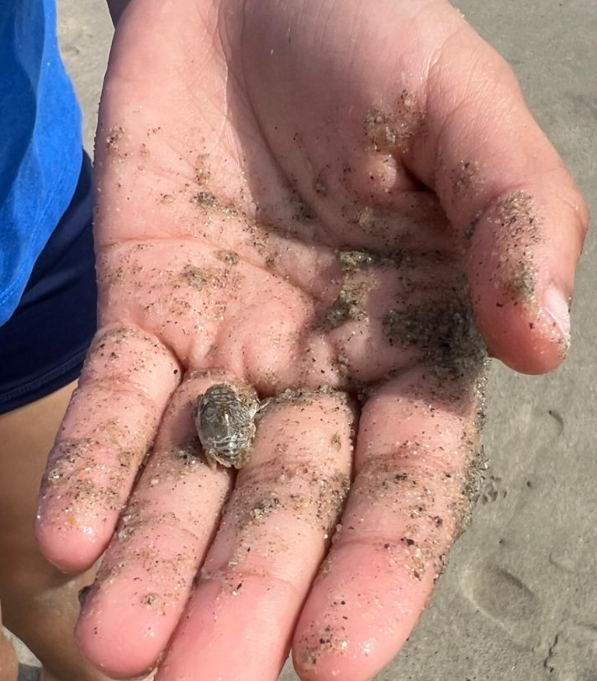
Anyways, southern sea otters are paratenic, or accidental, hosts of P. spp, but nevertheless, have caused significant infection among otters on the coast of California. Profilicollis, as an acanthocephalan, primarily affects the intestines. Acanthocephalans use their thorny heads to hook onto the intestine, with individuals varying in depth of penetration of intestine mucosa. Host response often includes formation of inflammatory infiltrate, especially including multinucleated giant cells and neutrophils.

DOMOIC ACID TOXICOSIS
Domoic acid is a toxin produced by Pseudo-nitzchia diatoms, causing glutamate excitotoxicity. That's a lot of words, I wrote a previous post about this:
Anyways, while sea lions are the species most commonly associated with domoic acid toxicosis, sea otters have also been found with DA toxicosis.
Both animals experience neurological symptoms, with difference in certain pathological lesions- sea otters experienced less inflammation of the pyramidal hippocampal neurons (essential cells using glutamate to form and process memories) in comparison to sea lions, and experienced significant cardiovascular pathological lesions, including congestion, hemorrhaging, and cardiomegaly.
.
.
.
Fun sea otter facts to lighten the mood:
Sea otters have the densest fur of any animal. Because they lack blubber, their fur is essential for thermoregulation. Taken into combination with their high metabolic rate, sea otters are high at risk for hyperthermia if not able to swim.
Sea otters have 38 chromosomes!
Sea otters can use loose pouches of their skin to carry stuff like rocks and snacks.
🦦


Grape-flavoured otters 🤤